Kyoto by Dawn: Serenity in Ancient Wooden Temples
Observing the first raking of gravel, incense smoke drifting through cryptomeria cedar, and the ritual elegance of early morning temple spaces.
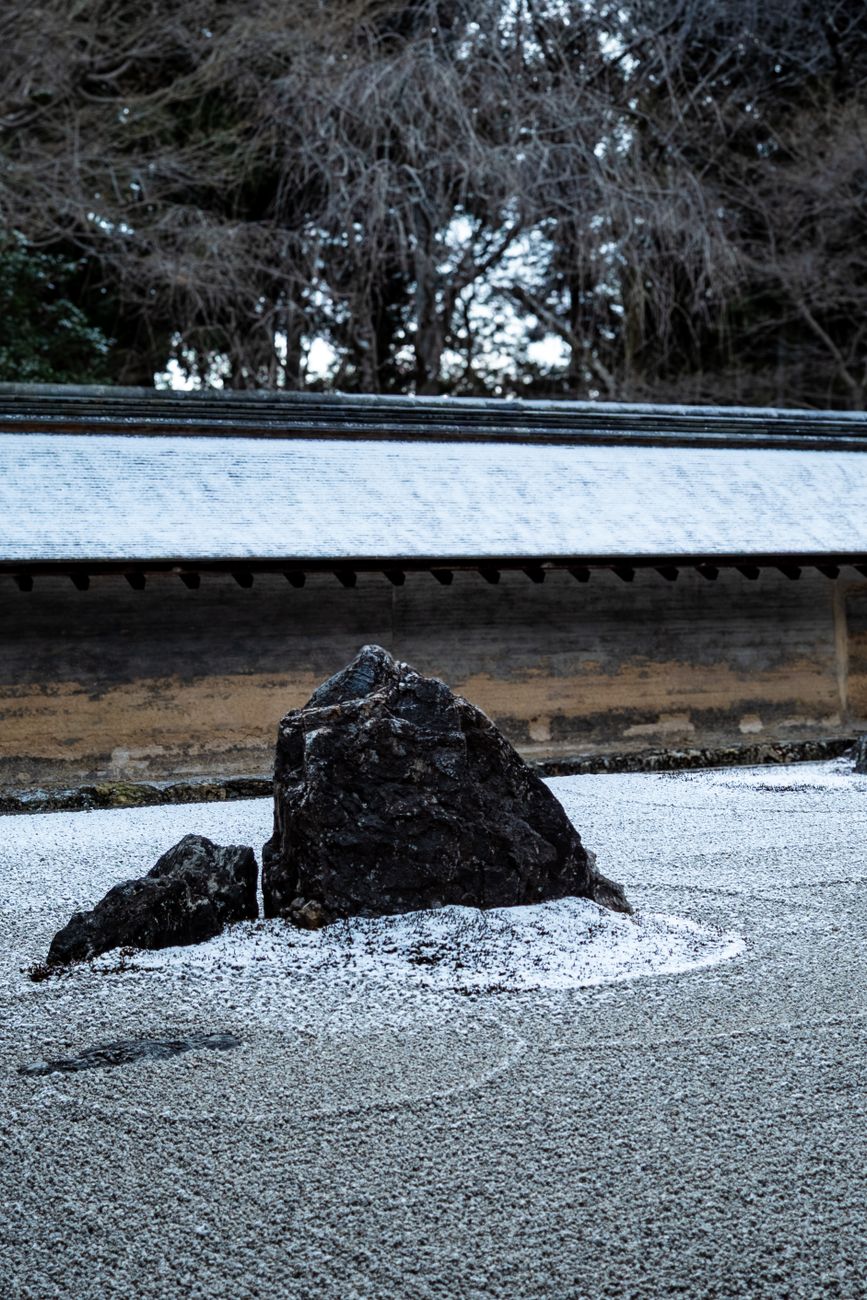
At six in the morning, before tour buses assemble outside major gates, Kyoto breathes a vastly different air. Dew glistens over deep green carpets of Leucobryum moss, and the resonant bronze gong of a sub-temple vibrates through cold morning mist. For travelers seeking profound cultural stillness, this temporal window is non-negotiable.
1. The Early Hours and the Language of Moss
Walking barefoot over polished cedar verandas (engawa) in Daitoku-ji reveals the precision of Japanese landscaping. In these gardens, stones are not decorative ornaments; they are metaphysical anchors chosen for their patina, moss cultivation, and weight.
"In Kyoto’s quietest corners, space is treated as an active participant rather than an empty void."
2. Master Joinery Without a Single Nail
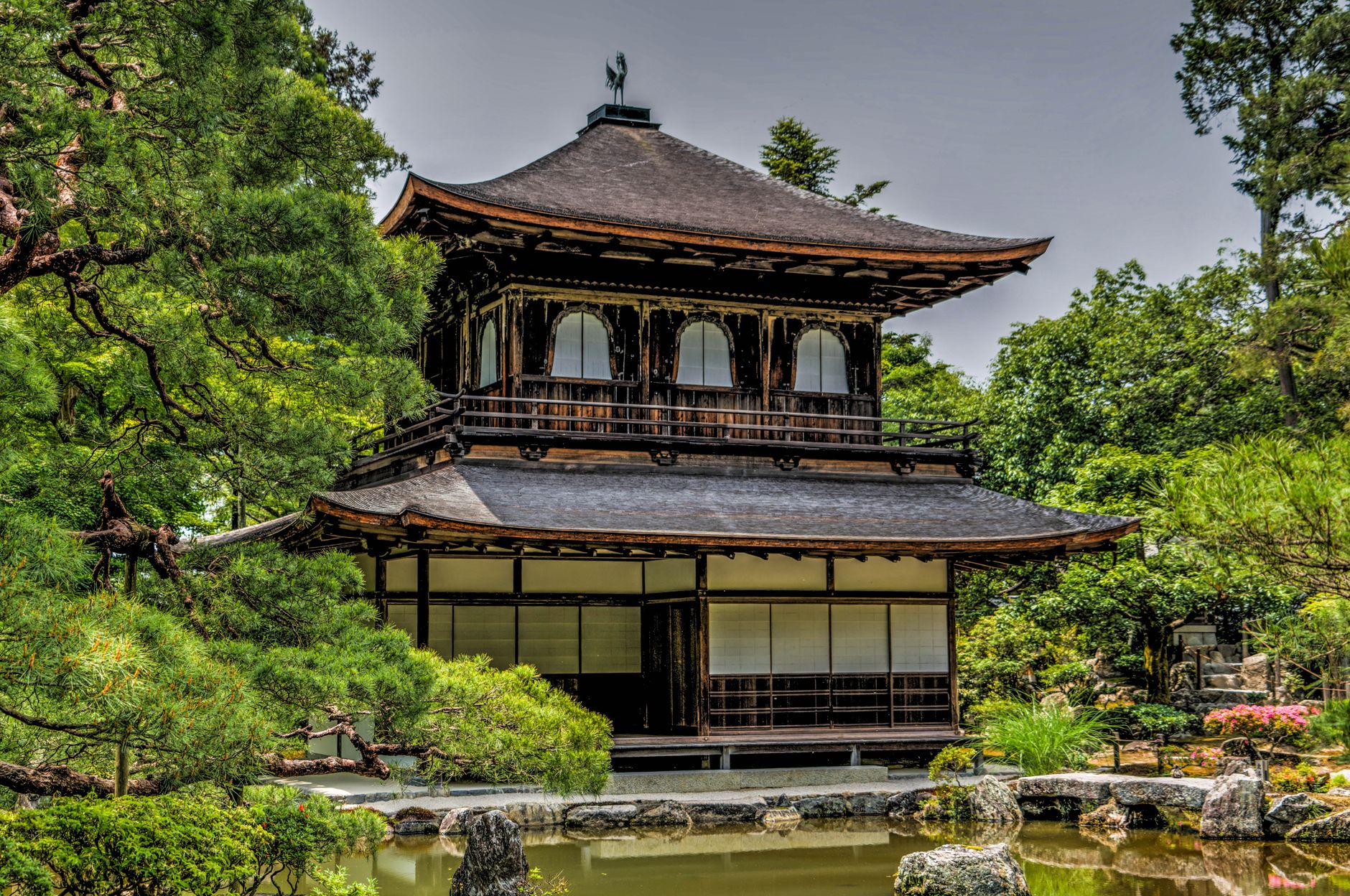
Centuries of earthquake resilience were achieved through kanawa tsugi and related complex mortise-and-tenon woodcraft. In ancient teahouses throughout northern Kyoto, natural timber trunks retain their organic twists, honoring the original tree’s growth rather than forcing geometric uniformity.
3. Guidelines for Respectful Mindful Visiting
111111 advocates for modest, contemplative visitation: silencing mobile devices, avoiding photography within sacred altars, and engaging registered local cultural historians who can interpret the poetic calligraphy of garden scrolls.
Private Cultural Introductions
Learn how 111111 coordinates respectful access to historic tea houses and private gardens in the Kansai basin.
Inquire About Kyoto Access